
Getting a Construction Certificate or Complying Development Certificate is not the end of the building certification process. Once construction begins, certain stages of the work may need to be inspected before the project can continue.
These inspections are known as critical stage inspections. They play an important role in the NSW certification process and can have a direct impact on whether an Occupation Certificate can be issued when the building is finished.
Required inspections should be planned into the construction schedule from the beginning. Waiting until the work has been covered or completed can create serious problems later.
What Is a Critical Stage Inspection?
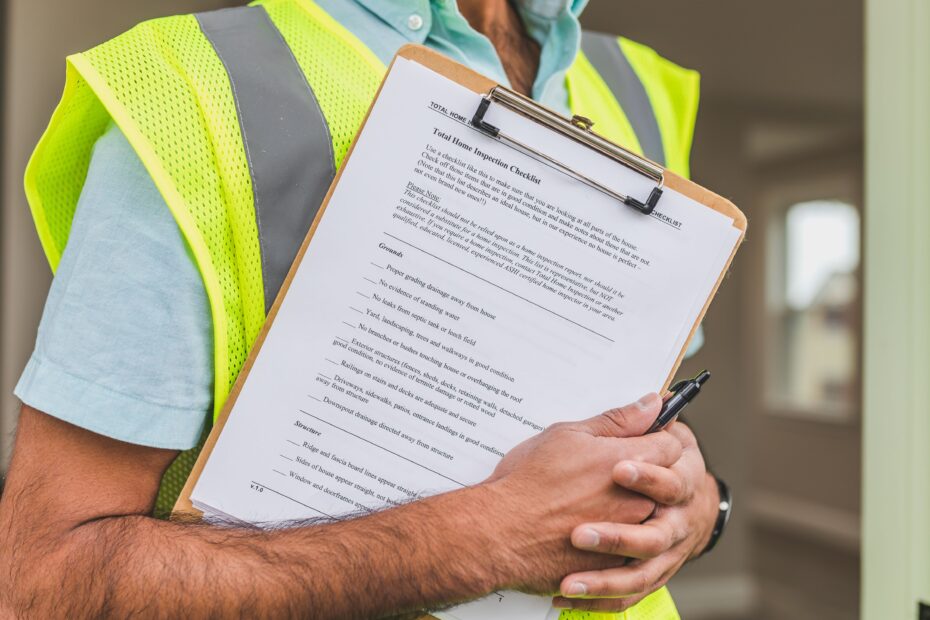
A critical stage inspection is a mandatory inspection carried out at particular points during construction. The Principal Certifier oversees these inspections and checks relevant aspects of the work against the approved development, applicable requirements and building standards.
The exact inspection stages depend on the type of development and the work being carried out.

Why Are These Inspections Required?
Many important parts of a building eventually become concealed by concrete, walls, waterproofing, finishes or other construction work.
Inspecting the work at the appropriate stage gives the certifier an opportunity to assess relevant construction before it becomes difficult or impossible to inspect properly.
It can also help identify potential compliance issues earlier in the project, rather than discovering them when construction is already complete.
Who Is Responsible for the Inspections?
The Principal Certifier is responsible for overseeing the certification process during construction and ensuring required critical stage inspections are carried out.
Depending on the circumstances, another appropriately registered certifier may carry out certain inspections on behalf of the Principal Certifier.
The final critical stage inspection, carried out after the building work has been completed and before an Occupation Certificate is issued, has specific requirements and cannot simply be delegated in the same way as earlier inspections.
A certifier is not the site supervisor
A certifier provides independent regulatory oversight. Their role is different from supervising the builder, managing construction quality or controlling day-to-day work on site.
When Should an Inspection Be Booked?
Builders and owners should review the inspection requirements before work begins and make sure the relevant stages are included in the construction program.
The Principal Certifier needs to be notified when an inspection is required, and the work generally should not progress beyond that stage until the required inspection has occurred.

What Happens During an Inspection?
The certifier will inspect the relevant stage of construction and consider whether the work is consistent with the applicable approval, documentation and requirements.
Supporting information may also be required from builders, engineers or other practitioners depending on the type of work involved.
If an issue is identified, it may need to be addressed before construction progresses or before later certification can be completed.
What Happens If an Inspection Is Missed?
A missed critical stage inspection can become a significant certification issue.
Once work has been covered, it may not be possible for the certifier to inspect what was required at the correct stage. Depending on the circumstances, this can affect whether the requirements for an Occupation Certificate can ultimately be satisfied.
How to Reduce the Risk of Inspection Delays
- Review required inspections before construction starts.
- Make sure the builder knows which stages require inspection.
- Give the certifier sufficient notice.
- Do not cover relevant work before the required inspection.
- Keep approvals, plans and certificates organised.
- Raise possible compliance issues early.
Plan the Certification Process Alongside the Build
Critical stage inspections should form part of the construction program from the outset rather than being treated as paperwork to deal with later.
Good communication between the owner, builder and Principal Certifier can help prevent missed inspections, unnecessary delays and problems at the Occupation Certificate stage.
Need Building Certification Advice?
Certiscope provides professional building certification and consultancy services across NSW.
Contact the Certiscope team to discuss the certification requirements for your project.
This article provides general information only. Inspection and certification requirements vary depending on the development, approval and individual circumstances.