
Buying a property is a significant investment, and while most buyers focus on the location, condition and appearance of a home, there’s another important consideration that can easily be overlooked: whether existing building work has the required approvals.
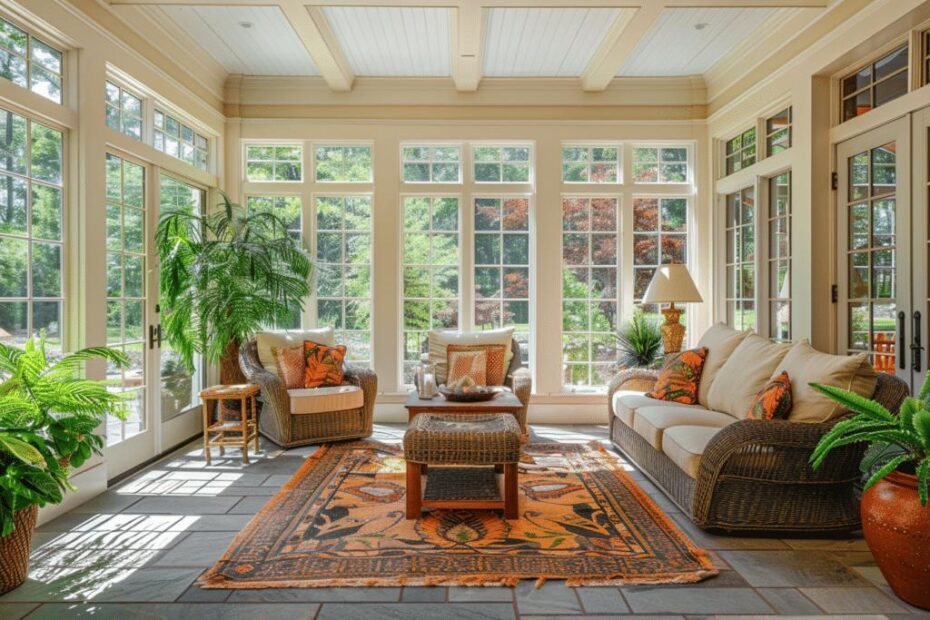
An enclosed patio, converted garage, additional bedroom, deck or home extension might look professionally finished, but that doesn’t necessarily mean the work was approved or completed in accordance with relevant building requirements.
For buyers across Sydney and the Blue Mountains, understanding the approval status of existing building work before purchasing can help avoid unexpected complications, additional expenses and potential compliance issues.
What Is Unapproved Building Work?
Unapproved building work generally refers to construction, alterations or additions carried out without the necessary planning or building approvals.
In NSW, depending on the type of work, approval may be required through a Development Application (DA) and Construction Certificate (CC), or a Complying Development Certificate (CDC).
Some minor building works may qualify as exempt development, meaning formal approval is not required provided all applicable standards and conditions are satisfied.
However, not every renovation or alteration falls into this category.
Common examples of building work that may require approval include:
- Garage conversions into bedrooms or living areas.
- Enclosed patios and verandahs.
- Home extensions and additional rooms.
- Decks, balconies and pergolas.
- Granny flats and secondary dwellings.
- Structural alterations to existing buildings.
- Certain sheds, carports and outbuildings.
Whether approval is required depends on the nature of the work, property characteristics and applicable planning and building requirements.
Why Unapproved Building Work Matters When Buying a Property
Purchasing a property with unauthorised building work doesn’t automatically mean the property is unsafe or that the work must be demolished.
However, it can introduce additional risks and responsibilities that buyers should understand before proceeding.
1. Potential Council Compliance Issues
If building work has been completed without the required approvals, the local council may investigate and, depending on the circumstances, take compliance action.
This could involve requests for documentation, inspections, rectification work or other enforcement measures.
2. Unexpected Costs
Unapproved building work may require further assessment by appropriately qualified professionals.
Depending on the circumstances, additional expenses could include:
- Building inspections and professional reports.
- Structural engineering assessments.
- Fire safety or other compliance assessments.
- Rectification of non-compliant building work.
- Applications for relevant certificates or approvals where legally available.
These costs can become significant, particularly if structural or safety concerns are identified.
3. Insurance and Financing Considerations
Unauthorised building work may raise questions for insurers and lenders, particularly where the work affects the property’s condition, safety or value.
The implications depend on the circumstances and the relevant insurance or lending arrangements.
Buyers should clarify any concerns directly with their insurer, lender or appropriate adviser before purchasing.
4. Complications When Selling Later
Even if unapproved work doesn’t create an immediate problem, it may become an issue when the property is sold in the future.
Prospective buyers may request approval records, building documentation or evidence that alterations were completed lawfully.
Missing documentation can create uncertainty and potentially complicate negotiations.
How Can You Check Whether Building Work Has Been Approved?
Before purchasing a property, it’s worth investigating whether existing alterations and additions match the available approval records.
Review Council and Certification Records
Relevant documentation may include:
- Development Consents (DA approvals).
- Complying Development Certificates (CDC).
- Construction Certificates (CC).
- Occupation Certificates (OC), where applicable.
- Approved building plans and relevant inspection records.
Not every type of building work requires all these documents, and requirements can vary depending on when the work was completed.
Compare Approved Plans With the Actual Property
Approved plans may show the original layout and any authorised additions.
If the property now includes an extra room, enclosed outdoor area or converted garage that doesn’t appear in the available plans, further investigation may be worthwhile.
Arrange Appropriate Professional Inspections
A building inspection can help identify visible defects or potential construction concerns.
However, a standard pre-purchase building inspection is not necessarily an assessment of whether all building work has received the required approvals.
Buyers may need additional advice from a building certifier, council, conveyancer, solicitor or other relevant professional.
What Is a Building Information Certificate in NSW?
A Building Information Certificate (BIC) is a certificate issued by a local council under NSW planning legislation.
It can be relevant where there are concerns about existing building work, including work that may have been carried out without the necessary approvals.
Broadly, a Building Information Certificate provides certain protections against specified council enforcement action concerning the building for a period of seven years, subject to the legislation and any applicable limitations.
However, there is an important distinction:
A Building Information Certificate does not retrospectively approve unauthorised building work.
It is not equivalent to a Development Consent, Construction Certificate or Occupation Certificate.
A BIC also does not automatically establish that a building complies with every applicable building standard or that it is structurally sound.
Whether applying for a Building Information Certificate is appropriate depends on the particular circumstances, and councils may require supporting documentation, inspections or rectification work.
Can Unapproved Building Work Be Approved After Construction?
This is a common question from property buyers and owners.
In NSW, there is generally no straightforward process for retrospectively issuing a Construction Certificate or Complying Development Certificate for building work that has already been completed without the required approvals.
Depending on the situation, there may be options to address the planning or compliance issues, but these must be assessed individually.
Possible steps may involve obtaining professional reports, undertaking rectification work, seeking appropriate legal or planning advice, or considering a Building Information Certificate application.
Importantly, not all unauthorised building work can be resolved through the same process.
It’s best to obtain professional advice before assuming existing work can simply be approved after construction.
What Should You Do If You Discover Unapproved Work Before Buying?
If you suspect that a property contains unauthorised additions or alterations, consider taking the following steps.
1. Ask for the relevant documentation. Request copies of available building approvals, certificates and plans from the seller or their representative.
2. Investigate the property’s approval history. Relevant council and certification records may help establish what work was authorised.
3. Obtain professional advice. A qualified building certifier, council officer or other relevant professional may be able to help clarify the applicable building requirements.
4. Understand the potential costs. If further assessments or rectification work may be necessary, investigate these before making a final decision.
5. Speak with your conveyancer or solicitor. They can advise on contractual and legal considerations, including any appropriate enquiries or conditions before proceeding.
Taking these precautions can help buyers make more informed decisions and reduce the likelihood of unexpected problems after settlement.
Building Certification Advice in Sydney and the Blue Mountains
At Certiscope, we understand that navigating building approvals, certification requirements and existing building work can be confusing.
Whether you’re purchasing a property, planning renovations or trying to understand the certification requirements for a building project, obtaining accurate information early can make the process easier.
Certiscope provides building certification services across Sydney and the Blue Mountains, including:
- Complying Development Certificates (CDC).
- Construction Certificates (CC).
- Occupation Certificates (OC).
- Principal Certifier services.
- Guidance on applicable building certification requirements.
Where existing unauthorised building work is involved, the appropriate pathway may require input from council or other suitably qualified professionals.
Final Thoughts: Check the Paperwork, Not Just the Finish
A beautifully renovated property can still have unresolved approval issues.
Before purchasing a home with extensions, converted spaces or other alterations, take the time to investigate whether the work has the necessary documentation.
Understanding the approval history and obtaining appropriate professional advice can help you make a more informed decision and avoid unexpected complications.
Buying a property with existing additions or planning a building project?
Contact Certiscope to discuss your building certification requirements in Sydney and the Blue Mountains.